Skip to content

Skin Files · Trends

The injectable copper peptide trend: GHK-Cu shots, explained

"Injectable copper peptides" is a breakout search, with people asking about GHK-Cu injection dosage. Why that's a different thing from a serum, what the FDA has flagged, and how GLP-1 "peptides" got mixed in.

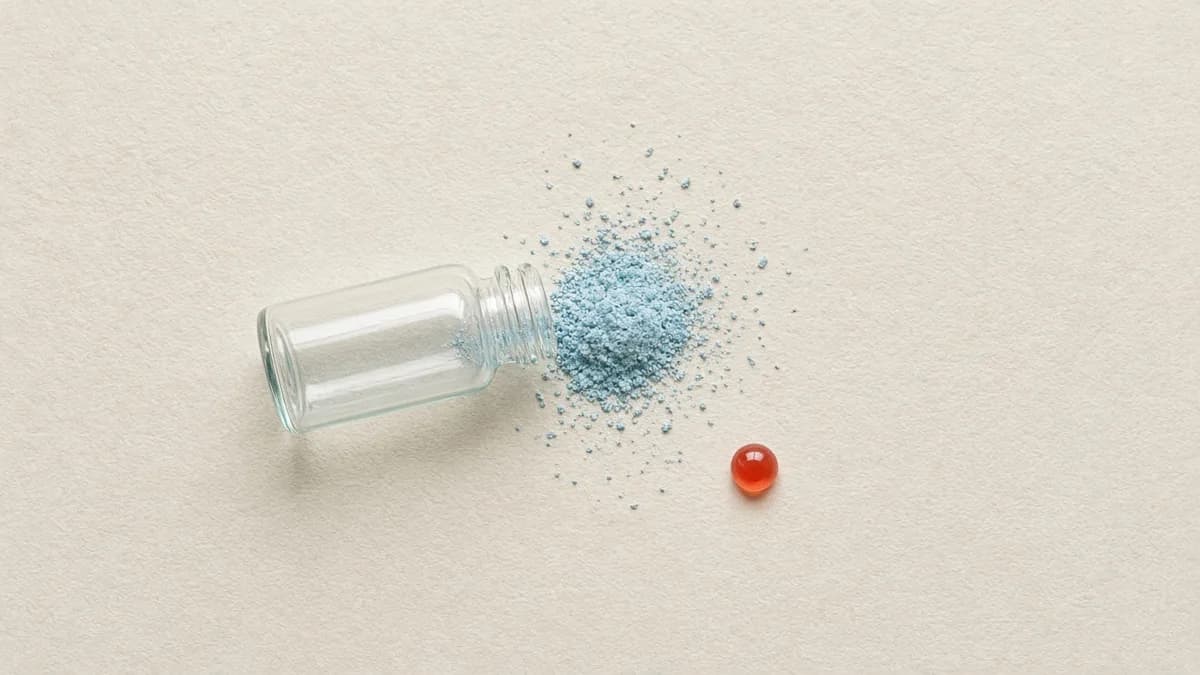
An empty glass vial on its side spilling pale blue powder, with a single red-orange drop set apart
Illustrative image

01 · The short version

"Injectable copper peptides skin care trend" went from nothing to a breakout search in the last few months. Searches for GHK-Cu injection dosage, dosage charts and injection sites are rising with it, alongside other peptides sold online such as BPC-157 and KPV.

This article doesn't give dosing. It explains why injecting a peptide is a medical act with different risks from putting it in a cream.

02 · What's actually being sold

Most injectable GHK-Cu is sold online as a powder labeled "for research use only" or through some compounding and wellness clinics. Research-use products are not checked by the FDA for identity, purity, sterility or dose.

The FDA lists GHK-Cu for injectable routes on its page of bulk substances that may present significant safety risks in compounding. It notes a risk of immune reactions because the peptide can clump, possible peptide-related impurities, and limited human safety data.

03 · Why injecting is different

  • A cream mostly stays in the top layers of skin. An injection puts the substance straight into tissue or the bloodstream.
  • Non-sterile or contaminated vials can cause infections and abscesses.
  • Impurities and clumped peptides can trigger immune reactions.
  • There are no controlled trials showing injected GHK-Cu improves skin aging, and no agreed safe dose.

04 · Where GLP-1s fit in the confusion

Semaglutide and tirzepatide are peptides too, and their effect on the face during fast weight loss (often called "Ozempic face") has made "peptide" sound like one category. It isn't. GLP-1 drugs are approved prescription medicines for specific conditions; cosmetic peptides are skincare ingredients; research-use injectables sit outside both.

05 · If you want what the trend promises

  • Daily sunscreen and a retinoid have the strongest evidence for visible aging.
  • Topical copper peptide serums are a low-risk way to try GHK-Cu.
  • For volume loss or deeper lines, a board-certified dermatologist can talk through approved options.

06 · The science

Peptides are fragile molecules. Making them for injection requires sterile manufacturing, purity testing and stability controls that research-chemical sellers don't have to provide. That gap, not copper itself, is the main reason regulators are wary.

07 · What might help

  • Topical GHK-Cu serums as a gentle cosmetic add-on.limited evidence
  • Injected GHK-Cu for skin aging.insufficient evidence

08 · Insufficient evidence

  • Any safe or effective dose of injected GHK-Cu for skin.
  • Research-use peptides being pure or sterile.

The Receipt

  1. 01Injectable GHK-Cu is unapproved and flagged by the FDA for safety concerns.
  2. 02A copper peptide serum is a very different, low-risk product.
  3. 03For real volume or line concerns, see a dermatologist.

Education, not a diagnosis. If something changes quickly, hurts, bleeds, or worries you, see a dermatologist.

Questions people ask

Are GHK-Cu injections safe?
Safety hasn't been established. The FDA has flagged injectable GHK-Cu for possible immune reactions and impurities, and there are limited human data.
Are GHK-Cu injections FDA approved?
No. There is no FDA-approved injectable GHK-Cu product.
Is a copper peptide serum the same as an injection?
No. A serum is a cosmetic used on the skin's surface; an injection delivers an unapproved drug into the body.
Sources (4)
  1. U.S. FDA. Certain bulk drug substances for use in compounding that may present significant safety risks (includes GHK-Cu for injectable routes).
  2. Pickart L, Margolina A. Regenerative and protective actions of the GHK-Cu peptide in the light of the new gene data. Int J Mol Sci. 2018.
  3. Gorouhi F, Maibach HI. Role of topical peptides in preventing or treating aged skin. Int J Cosmet Sci. 2009.
  4. Hughes MCB, et al. Sunscreen and prevention of skin aging: a randomized trial. Ann Intern Med. 2013.

Your receipt, next

See what your skin is actually asking for.

Scan your skin for free and get a plain-English receipt with the evidence attached. No account needed.

Trend Receipts, by email

Occasional notes, no weekly blast. See our privacy page.