Your receipt, next
See what your skin is actually asking for.
Scan your skin for free and get a plain-English receipt with the evidence attached. No account needed.
Trend Receipts, by email
Occasional notes, no weekly blast. See our privacy page.
Ingredients
Each ingredient gets a receipt: what it does in plain English, who it suits, the myths, how to use it, and where the evidence is thin. Labels are well-supported, limited evidence, or insufficient evidence. Never a score.
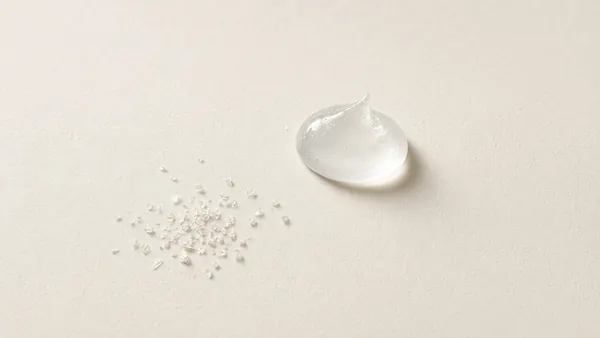
Retinoids
Adapalene
Adapalene is a retinoid available over the counter in some countries for acne. How it works, the first-month adjustment, and how to pair it.

Tone & dark spots
Azelaic acid
A dicarboxylic acid used for acne, rosacea, and hyperpigmentation. One of the better-studied options.
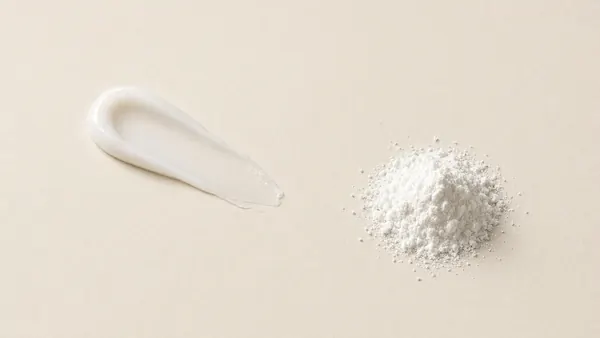
Acne fighters
Benzoyl peroxide
Benzoyl peroxide is one of the best-studied acne treatments you can buy without a prescription. What strength to use, how to limit dryness, and the bleaching thing.

Hydrators
Hyaluronic acid
A humectant that draws water into the top layer of skin. What hyaluronic acid actually does, who it suits, and why “holds 1,000× its weight” isn’t the point.

Tone & dark spots
Niacinamide
Vitamin B3. Widely tolerated; modest evidence for uneven pigmentation and barrier support.
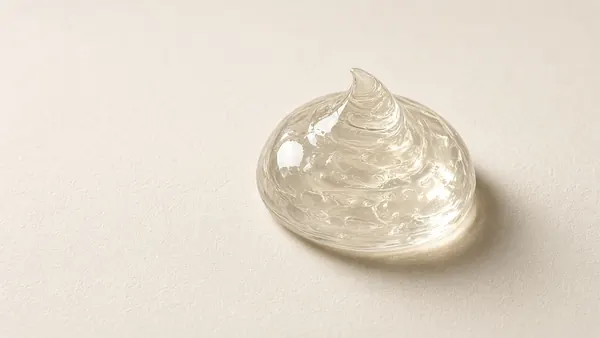
Barrier & soothing
Petrolatum
Petrolatum is one of the most effective occlusives in skincare. What it does for dry skin and barrier repair, and the clogged-pore question.
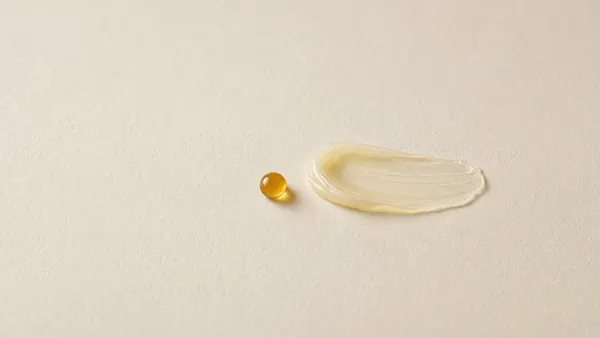
Retinoids
Retinol
An over-the-counter retinoid. Evidence for texture and tone over months; irritation is common early on.

Exfoliants
Salicylic acid (BHA)
Salicylic acid is an oil-soluble exfoliant used for clogged pores, blackheads and mild acne. What the evidence says, how often to use it, and what not to mix.
Antioxidants
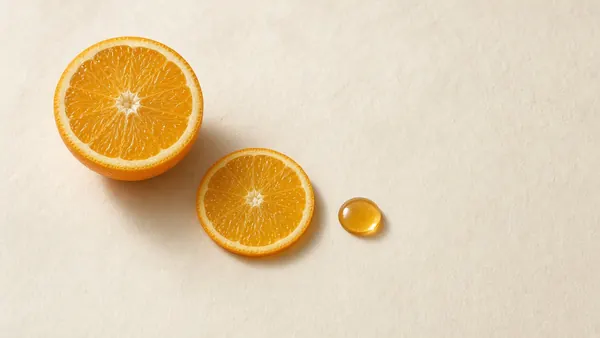
Vitamin C (L-ascorbic acid)
Vitamin C is an antioxidant used for brightness, uneven tone and sun-damage support. Which forms have evidence, why it oxidizes, and how to fit it into a routine.
30 receipts
Retinoids
Adapalene
Adapalene is a retinoid available over the counter in some countries for acne. How it works, the first-month adjustment, and how to pair it.
Tone & dark spots
Azelaic acid
A dicarboxylic acid used for acne, rosacea, and hyperpigmentation. One of the better-studied options.
Retinoids
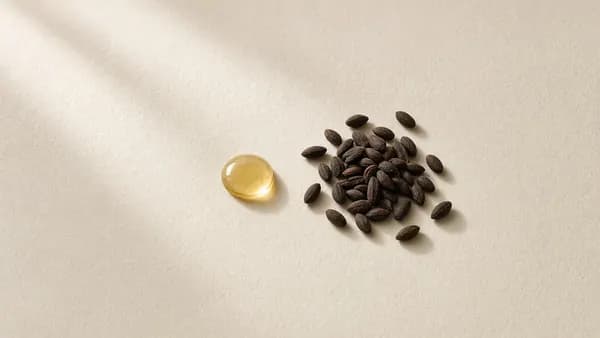
Bakuchiol
Bakuchiol is a plant-derived ingredient marketed as a gentle retinol alternative. One well-known trial is promising; here’s what it does and doesn’t show.
Acne fighters
Benzoyl peroxide
Benzoyl peroxide is one of the best-studied acne treatments you can buy without a prescription. What strength to use, how to limit dryness, and the bleaching thing.
Barrier & soothing
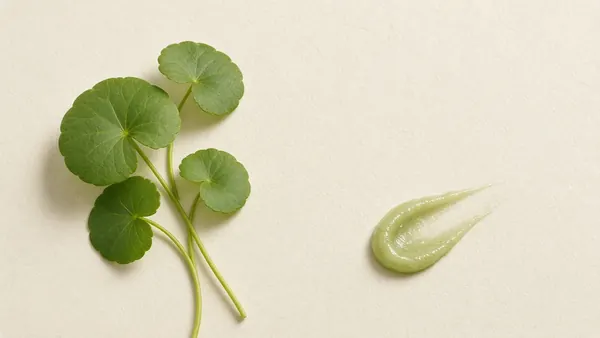
Centella asiatica (cica)
Centella asiatica (“cica”) is a botanical used in soothing and “repair” creams. What its compounds may do, and why the human evidence is still early.
Barrier & soothing
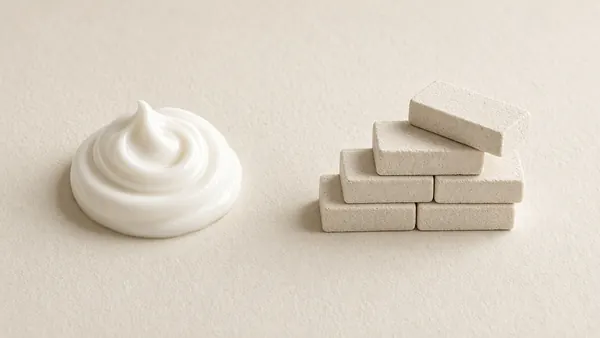
Ceramides
Lipids naturally found in the skin barrier. Used in moisturizers to support it.

Sunscreen filters
Chemical (organic) sunscreen filters
Avobenzone, homosalate, octocrylene and other organic filters make light, invisible sunscreens. What the FDA absorption study found and what it didn’t.
Barrier & soothing
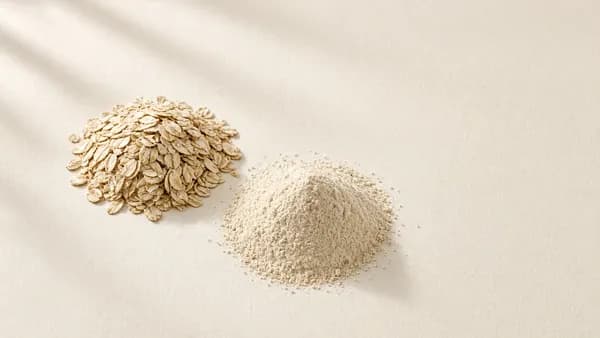
Colloidal oatmeal
Colloidal oatmeal is finely ground oat recognized as a skin protectant. Why it soothes dry, itchy skin and how to use it.

Antioxidants
Ferulic acid
Ferulic acid is a plant antioxidant best known for stabilizing vitamin C and E serums. What the original study showed and what it doesn’t.
Hydrators
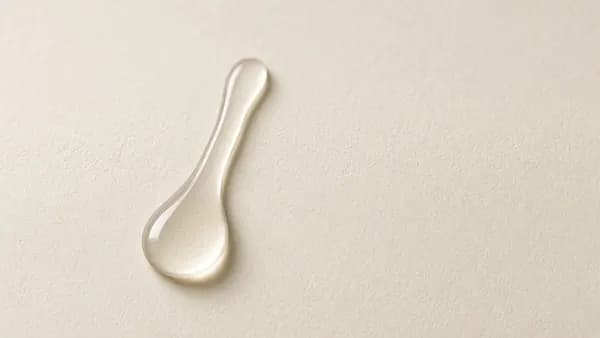
Glycerin
Glycerin (glycerol) is one of the most studied, least hyped humectants in skincare. What it does, why it’s in almost everything, and who benefits most.

Exfoliants
Glycolic acid (AHA)
Glycolic acid is the smallest alpha hydroxy acid and one of the most popular exfoliants. Benefits, irritation risk, sun sensitivity and how to start.
Hydrators
Hyaluronic acid
A humectant that draws water into the top layer of skin. What hyaluronic acid actually does, who it suits, and why “holds 1,000× its weight” isn’t the point.
Tone & dark spots
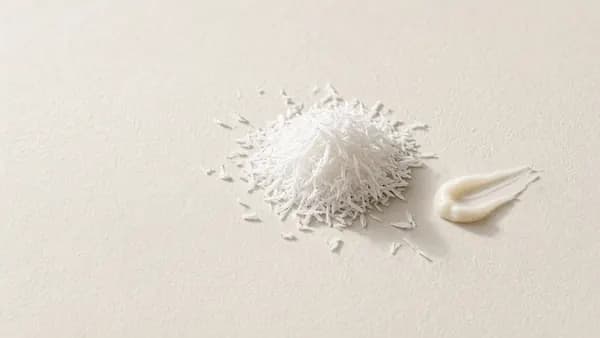
Hydroquinone
Hydroquinone is a long-used treatment for melasma and dark spots, now prescription-only in many places. What it does, why supervision matters, and the risks.
Tone & dark spots
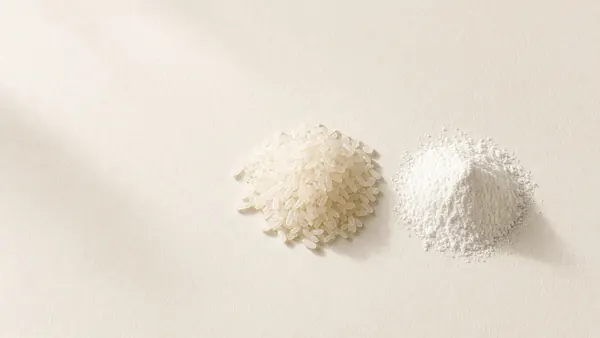
Kojic acid
Kojic acid is a fungus-derived tyrosinase inhibitor found in “brightening” soaps and serums. Evidence, irritation risk and how it compares to other options.
Exfoliants
Lactic acid (AHA)
Lactic acid exfoliates like other AHAs but is often better tolerated, and it hydrates too. How it compares to glycolic acid and how to use it.
Tone & dark spots
Niacinamide
Vitamin B3. Widely tolerated; modest evidence for uneven pigmentation and barrier support.
Barrier & soothing
Panthenol (vitamin B5)
Panthenol, or dexpanthenol, is a soothing humectant used in barrier creams. What it does and who it suits.

Antioxidants
Peptides
Peptide serums promise firmer skin. A plain-English look at signal, carrier and “Botox-like” peptides, and how thin the evidence still is.
Barrier & soothing
Petrolatum
Petrolatum is one of the most effective occlusives in skincare. What it does for dry skin and barrier repair, and the clogged-pore question.
Retinoids
Retinol
An over-the-counter retinoid. Evidence for texture and tone over months; irritation is common early on.
Exfoliants
Salicylic acid (BHA)
Salicylic acid is an oil-soluble exfoliant used for clogged pores, blackheads and mild acne. What the evidence says, how often to use it, and what not to mix.
Hydrators
Squalane
Squalane is a stable, lightweight emollient derived from squalene. What it does, who it suits, and what it doesn’t do.

Acne fighters
Sulfur
Sulfur is a long-used acne and oily-skin ingredient found in masks and spot treatments. What the evidence says and why the smell is part of the deal.
Acne fighters
Tea tree oil
Tea tree oil is the most popular natural acne remedy. A small trial is encouraging; here’s how to use it without irritation, and its limits.

Tone & dark spots
Tranexamic acid
Studied mostly as an oral prescription for melasma. Topical evidence is growing but thinner.

Retinoids
Tretinoin
Tretinoin (retinoic acid) is the prescription retinoid with the deepest evidence for acne and sun-related aging. How it differs from retinol and what using it is like.

Hydrators
Urea
Urea hydrates at low percentages and softens rough, thick skin at higher ones. Why it’s a go-to for dry, flaky and bumpy skin.
Antioxidants
Vitamin C (L-ascorbic acid)
Vitamin C is an antioxidant used for brightness, uneven tone and sun-damage support. Which forms have evidence, why it oxidizes, and how to fit it into a routine.
Antioxidants
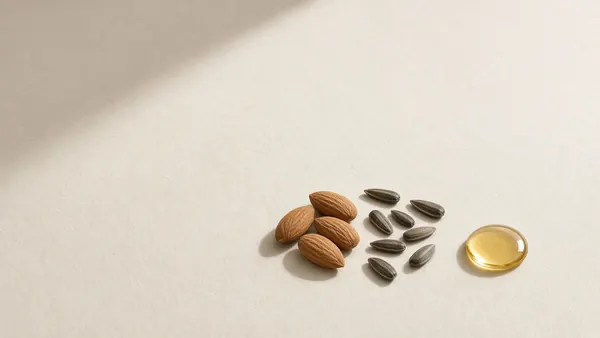
Vitamin E (tocopherol)
Vitamin E (tocopherol) is a fat-soluble antioxidant often paired with vitamin C. What it’s good for, and why it isn’t proven for scars.
Sunscreen filters
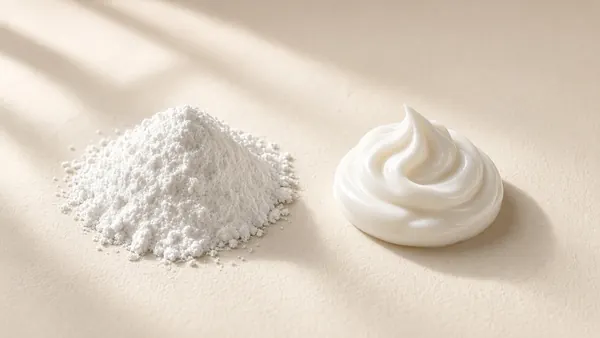
Zinc oxide
Zinc oxide is a mineral sunscreen filter that protects across UVB and UVA. Why it’s popular for sensitive skin, the white-cast problem, and what “mineral” really means.
Your receipt, next
Scan your skin for free and get a plain-English receipt with the evidence attached. No account needed.
Trend Receipts, by email
Occasional notes, no weekly blast. See our privacy page.