Skip to content

Skin Files · Sensitivity

Sensitive skin care: a calm routine for skin that stings

What sensitive skin actually means, common triggers like fragrance, how to build a short sensitive skin care routine, and which ingredients tend to be gentle.

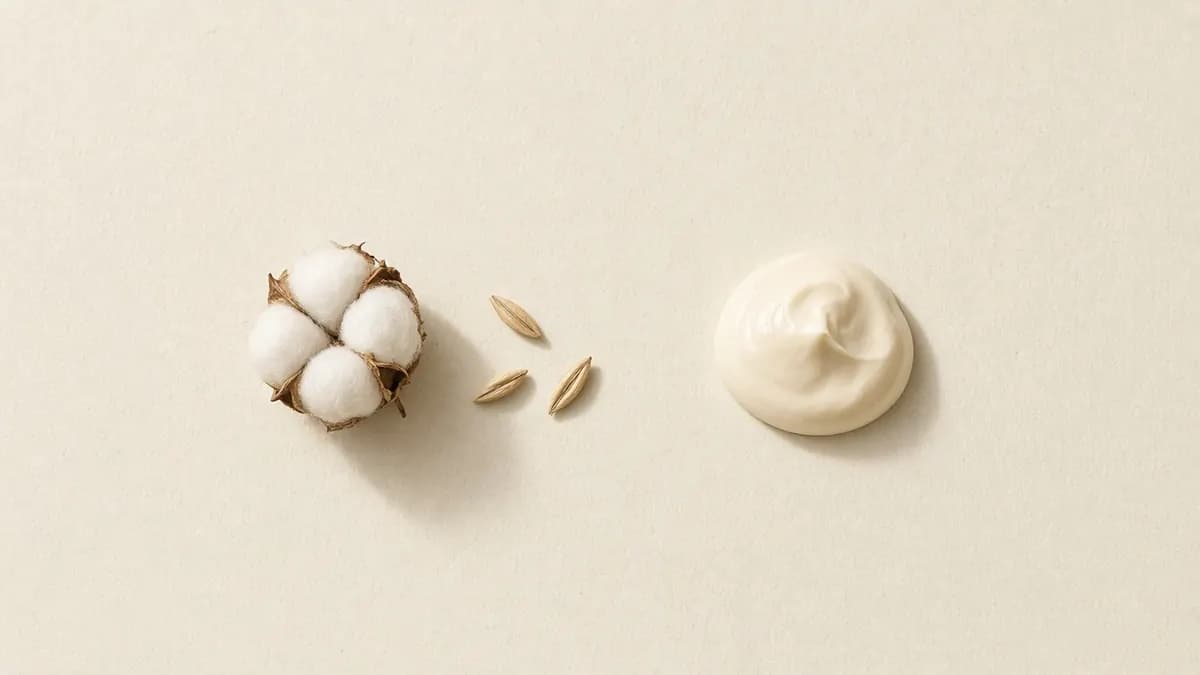
Soft cotton bolls beside oat flakes and a dab of plain white cream
Illustrative image

01 · The short version

Sensitive skin care is a steady top search. Many people describe their skin as sensitive. Surveys suggest a large share of adults report at least some sensitivity.

Experts define sensitive skin as unpleasant sensations, like stinging, burning, tingling or itching, in response to things that shouldn’t cause them, without a visible rash to explain it.

02 · Common triggers

  • Fragrance, including essential oils.
  • Harsh or high-foam cleansers and hot water.
  • Strong actives used too often: acids, retinoids, high-strength vitamin C.
  • Weather changes, wind and dry indoor air.

03 · A short routine

  • A mild, fragrance-free cleanser, used once a day if that’s enough.
  • A simple moisturizer with glycerin, ceramides or petrolatum.
  • A mineral sunscreen if chemical filters sting.
  • One new product at a time, patch tested on a small area first.

04 · Gentle ingredients

Glycerin, panthenol, ceramides, colloidal oatmeal and niacinamide at modest strengths are usually well tolerated.

05 · When it’s more than sensitivity

Persistent redness, bumps, flaking or a rash may be rosacea, eczema or contact allergy. A dermatologist can tell these apart and patch test for allergies.

06 · The science

Sensitive skin is linked to a weaker barrier and more reactive nerve endings in the skin. Fragrance is one of the most common causes of cosmetic contact allergy, which is why fragrance-free products are usually the first step.

07 · What might help

  • Fragrance-free products.limited evidence
  • A simple routine with fewer actives.limited evidence
  • Barrier-supporting moisturizers.limited evidence
  • Mineral sunscreen if chemical filters sting.limited evidence

08 · Insufficient evidence

  • “Hypoallergenic” and “dermatologist tested” labels, which aren’t standardized.
  • “Natural” products being gentler; plant extracts are a common cause of reactions.

The Receipt

  1. 01Fewer products, no fragrance, one change at a time.
  2. 02Moisturize and wear sunscreen.
  3. 03Rash or lasting redness deserves a proper diagnosis.

Education, not a diagnosis. If something changes quickly, hurts, bleeds, or worries you, see a dermatologist.

Questions people ask

What is the best skin care for sensitive skin?
A short routine: a mild fragrance-free cleanser, a simple moisturizer and a sunscreen that doesn’t sting, often mineral.
What ingredients should sensitive skin avoid?
Common triggers are fragrance, essential oils, strong acids, high-strength retinoids and alcohol-heavy toners.
How do I know if I have sensitive skin?
If products often sting, burn or itch without a visible rash, your skin may be sensitive. Ongoing redness or rash points to another condition.
Sources (6)
  1. Misery L, et al. Definition of sensitive skin: an expert position paper from the Special Interest Group on Sensitive Skin of the International Forum for the Study of Itch. Acta Derm Venereol. 2017;97(1):4–6.
  2. Farage MA. The prevalence of sensitive skin. Front Med (Lausanne). 2019;6:98.
  3. Do LHD, et al. Sensitive skin syndrome: an update. Am J Clin Dermatol. 2020;21(3):401–409.
  4. DermNet. Sensitive skin.
  5. Goossens AE. Fragrance contact allergy. J Eur Acad Dermatol Venereol. 2018;32(1):9.
  6. U.S. Food and Drug Administration. Fragrances in cosmetics.

Your receipt, next

See what your skin is actually asking for.

Scan your skin for free and get a plain-English receipt with the evidence attached. No account needed.

Trend Receipts, by email

Occasional notes, no weekly blast. See our privacy page.