Skip to content

Skin Files · Barrier

How to fix a damaged skin barrier (and how to tell it’s damaged)

What the skin barrier is, how to know if your skin barrier is damaged, and how to repair it with gentler habits and barrier-supporting moisturizers.

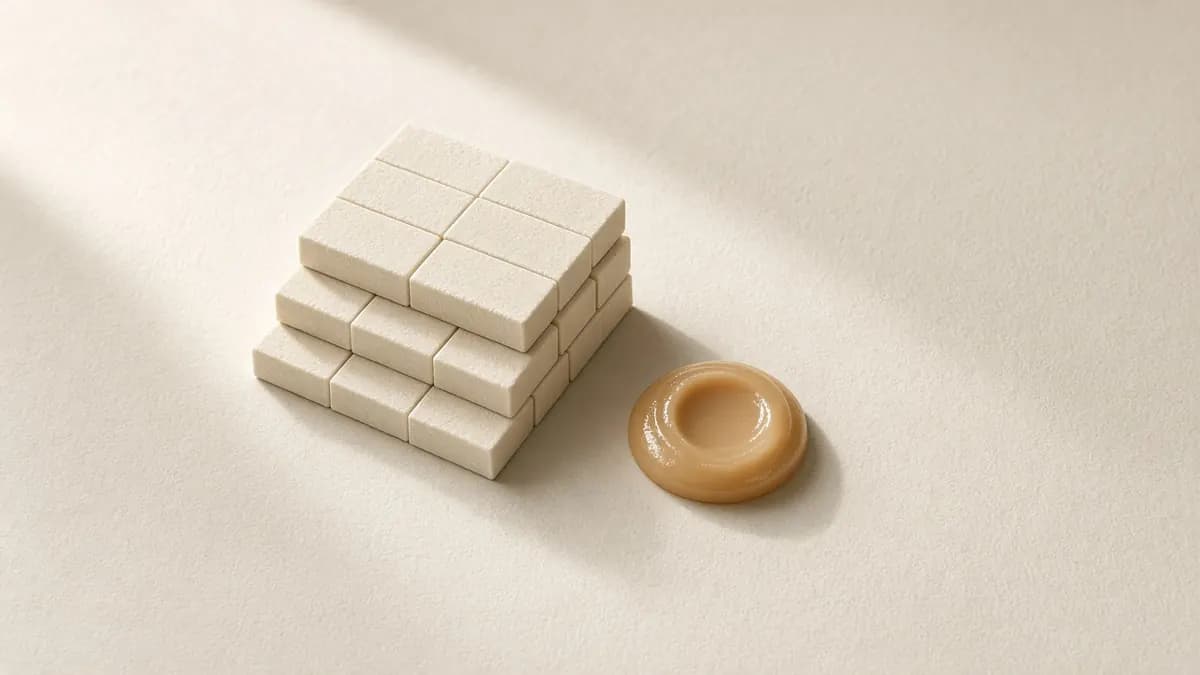
Stacked pale blocks and a ring of balm, suggesting a skin barrier
Illustrative image

01 · The problem

Tightness, stinging when you apply something, flaking, a routine that suddenly feels too much. “Damaged barrier” is used for all of it.

02 · The science

The outer layer of skin, the stratum corneum, works like bricks (skin cells) and mortar (lipids such as ceramides, cholesterol and fatty acids). It slows water loss and keeps irritants out.

Over-cleansing, stacking acids and retinoids, and very dry air can all disrupt it. An irritated barrier also tends to make pigment-prone skin more reactive.

03 · What might help

  • A gentle cleanser and fewer active steps for a while.well-supported
  • A plain moisturizer used consistently.well-supported
  • Moisturizers containing ceramides with cholesterol and fatty acids.limited evidence
  • Niacinamide as a barrier-supporting ingredient.limited evidence

04 · Insufficient evidence

  • “Barrier repair” as a marketing phrase on its own tells you little. Check what is actually in the formula.
  • Very specific lipid ratios promised to “fix” skin quickly.

The Receipt

  1. 01If everything stings, do less before you buy more.
  2. 02A boring moisturizer is a real step.
  3. 03Persistent rash, cracking, or itch deserves a clinician’s look.

Education, not a diagnosis. If something changes quickly, hurts, bleeds, or worries you, see a dermatologist.

Questions people ask

How do I know if my skin barrier is damaged?
Common signs are stinging when you apply products that used to feel fine, tightness, flaking, and new redness. These signs overlap with other conditions, so persistent or painful symptoms are worth a dermatologist visit.
How long does it take to repair the skin barrier?
There is no fixed timeline. Many people notice their skin feels calmer within a few weeks of stopping harsh products and moisturizing consistently, but this varies with the cause.
What is the skin barrier?
It is the outermost layer of skin, the stratum corneum: skin cells held together by lipids such as ceramides, cholesterol and fatty acids. It slows water loss and keeps irritants out.
Sources (4)
  1. Elias PM. Stratum corneum defensive functions: an integrated view. J Invest Dermatol. 2005.
  2. Bissett DL, et al. Niacinamide: a B vitamin that improves aging facial skin appearance. Dermatol Surg. 2005.
  3. American Academy of Dermatology: public patient education (aad.org).
  4. van Zuuren EJ, et al. Emollients and moisturisers for eczema. Cochrane Database Syst Rev. 2017.

Your receipt, next

See what your skin is actually asking for.

Scan your skin for free and get a plain-English receipt with the evidence attached. No account needed.

Trend Receipts, by email

Occasional notes, no weekly blast. See our privacy page.