Skip to content

Skin Files · Antioxidants

Do you need a vitamin C serum? A no-hype guide

What vitamin C serums can and can’t do, L-ascorbic acid vs derivatives, why serums turn brown, and where vitamin C fits in a routine.
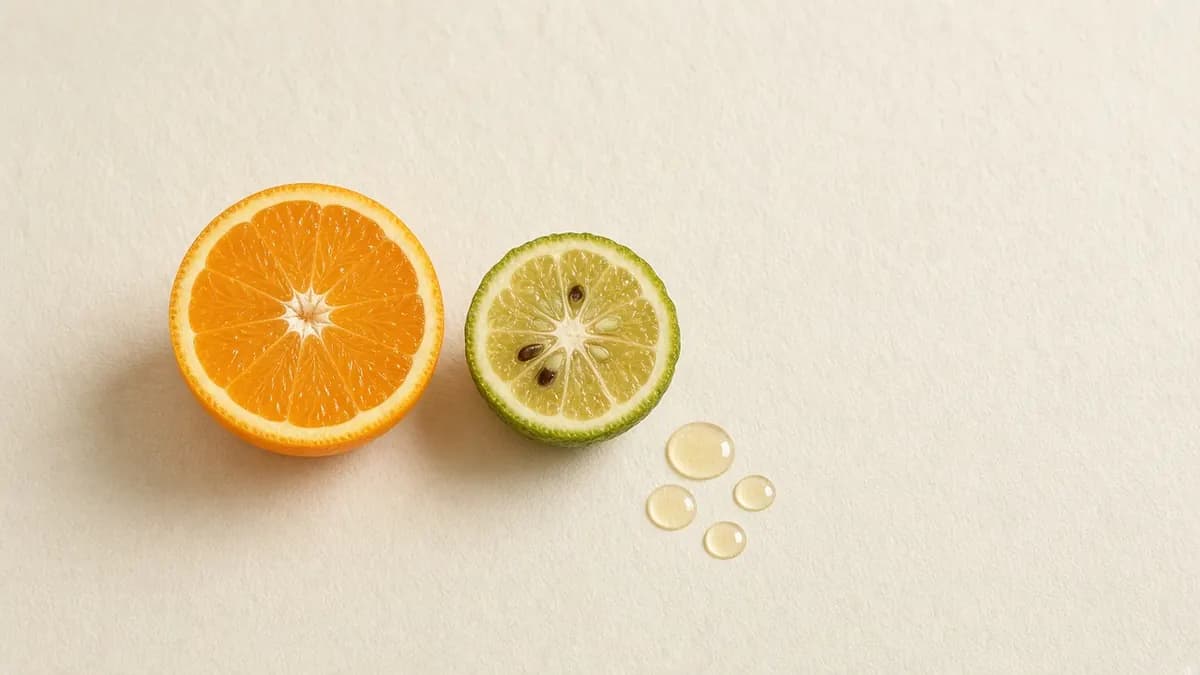
Halved citrus fruits beside small amber serum drops
Illustrative image

01 · The short version

Vitamin C is sold as the key to “glow”. It’s a useful antioxidant with modest evidence. It’s also not essential.

02 · What it can do

Vitamin C neutralizes free radicals from UV exposure, supports collagen production and interferes with melanin production. Studies show modest improvements in brightness, pigmentation and fine lines over months.

03 · Choosing a formula

  • L-ascorbic acid (often 10–20%) has the most data but oxidizes easily and can sting.
  • Derivatives (sodium ascorbyl phosphate, ascorbyl glucoside, tetrahexyldecyl ascorbate) are gentler and more stable but less studied.
  • Vitamin C + E + ferulic acid is a well-studied combination for stability.

04 · Storage

Opaque, airtight packaging, kept cool. A serum that turns dark orange or brown has oxidized and is less effective.

05 · The science

Vitamin C doesn’t absorb UV like sunscreen, but may complement it by mopping up free radicals that get through.

06 · What might help

  • Supporting sunscreen against UV-related damage.limited evidence
  • Brightness and uneven pigmentation over months.limited evidence

07 · Insufficient evidence

  • Vitamin C replacing sunscreen.
  • Very high percentages working better.

The Receipt

  1. 01Nice to have, not essential.
  2. 02Morning, under sunscreen; store it well.

Education, not a diagnosis. If something changes quickly, hurts, bleeds, or worries you, see a dermatologist.

Questions people ask

Can vitamin C serum cause acne?
Vitamin C itself isn’t known to cause acne, but some serums are rich or irritating. If you break out after starting one, try a lighter formula or a gentler derivative.
Should I use vitamin C in the morning or at night?
Most people use it in the morning under sunscreen, where its antioxidant role makes the most sense.
Can I use vitamin C with niacinamide?
Yes. The old warning was based on outdated studies; they’re generally fine together.
Sources (3)
  1. Al-Niaimi F, Chiang NYZ. Topical vitamin C and the skin: mechanisms of action and clinical applications. J Clin Aesthet Dermatol. 2017.
  2. Pullar JM, Carr AC, Vissers MCM. The roles of vitamin C in skin health. Nutrients. 2017.
  3. Lin FH, et al. Ferulic acid stabilizes a solution of vitamins C and E and doubles its photoprotection of skin. J Invest Dermatol. 2005.

Your receipt, next

See what your skin is actually asking for.

Scan your skin for free and get a plain-English receipt with the evidence attached. No account needed.

Trend Receipts, by email

Occasional notes, no weekly blast. See our privacy page.