The Receipt
- 01The strongest receipt among retinoids, with the irritation to match. Use it with a prescriber.
Education, not a diagnosis. If something changes quickly, hurts, bleeds, or worries you, see a dermatologist.
Ingredient Receipt · Retinoids
INCI: Tretinoin
Tretinoin (retinoic acid) is the prescription retinoid with the deepest evidence for acne and sun-related aging. How it differs from retinol and what using it is like.
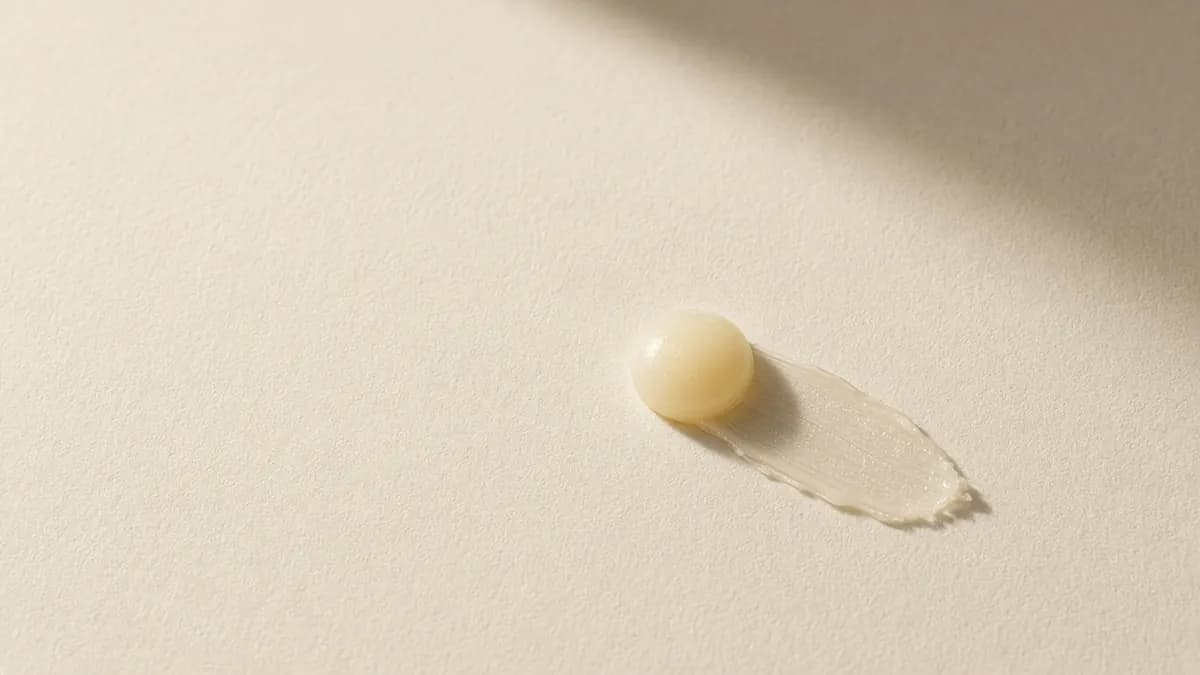
Tretinoin is what retinol becomes once skin converts it. As a prescription, it’s the benchmark other retinoids are compared to.
Tretinoin acts directly on retinoic acid receptors in skin, influencing cell turnover and collagen.
Controlled trials going back to the 1980s show improvement in sun-damaged (photoaged) skin, and acne guidelines recommend topical retinoids as core treatment.
Because it’s already the active form, it’s stronger and more irritating than over-the-counter retinol.
“Retinoids thin your skin.”
The outermost layer can look smoother and may flake early on, but studies of tretinoin in photoaging show increased collagen, not thinning of the skin overall.
limited evidence
The Receipt
Education, not a diagnosis. If something changes quickly, hurts, bleeds, or worries you, see a dermatologist.
Your receipt, next
Scan your skin for free and get a plain-English receipt with the evidence attached. No account needed.
Trend Receipts, by email
Occasional notes, no weekly blast. See our privacy page.