Skip to content

Skin Files · Body

Cellulite vs fat: what's the difference?

Cellulite vs fat: fat is tissue, cellulite is how the skin over it dimples. How to tell them apart with a pinch test, and why losing fat doesn't always smooth cellulite.

By , skincarereceipt content team · Published

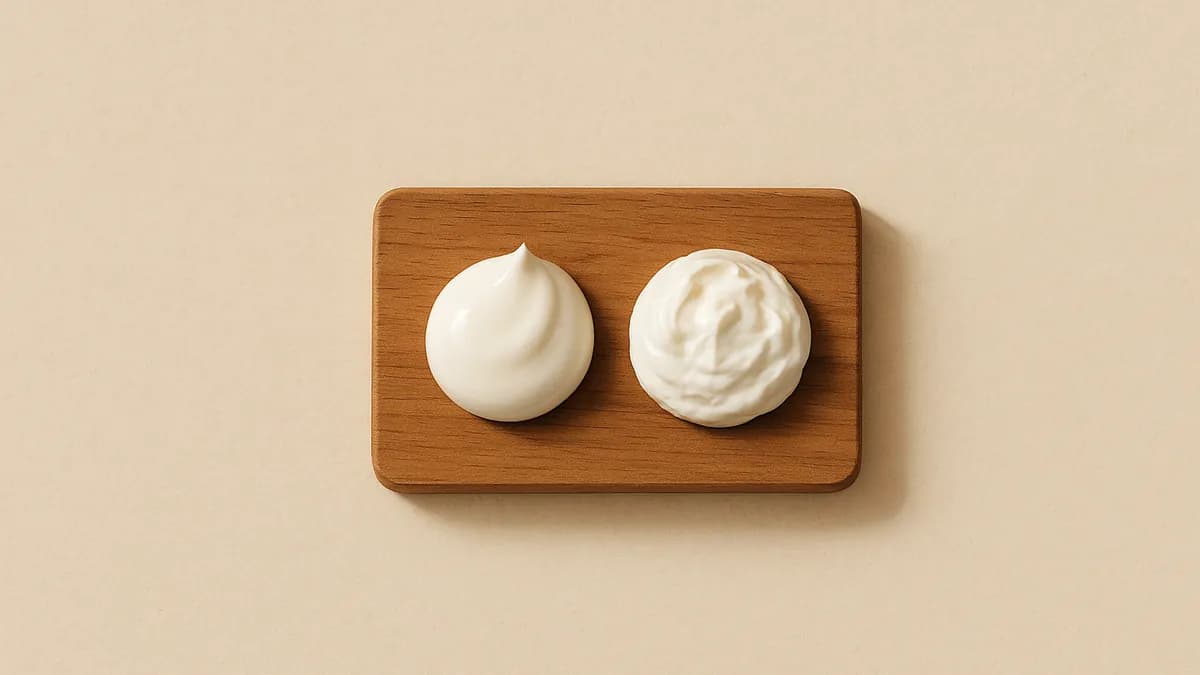
Two dollops of white cream on a small wooden board, one smooth and one dimpled
Illustrative image

01 · The short version

Short answer: fat is the tissue under your skin. Cellulite is the dimpled surface you see when that fat pushes up between bands that tie the skin down. You can have a lot of fat and little cellulite, or very little fat and plenty of cellulite.

Knowing which one you're looking at tells you which fixes are worth your time.

02 · How to tell them apart

  • Pinch test: gently squeeze the skin on your thigh. If it puckers into an orange-peel or cottage cheese look, that's cellulite. Smooth soft tissue under the pinch is just fat.
  • Look standing, then lying down. Cellulite often fades when you lie flat and gets more obvious when you stand or tense the muscle.
  • Check the light. Overhead light makes dimples cast shadows. Fat looks the same in any light.

03 · Why losing fat doesn't always fix cellulite

Because cellulite is about structure. The bands stay where they are when fat shrinks. In a study of women losing weight under medical supervision, most saw their cellulite improve, but some got worse as their skin loosened.

This is also why liposuction isn't a cellulite treatment. It removes deeper fat and can leave the surface more uneven.

04 · What helps each one

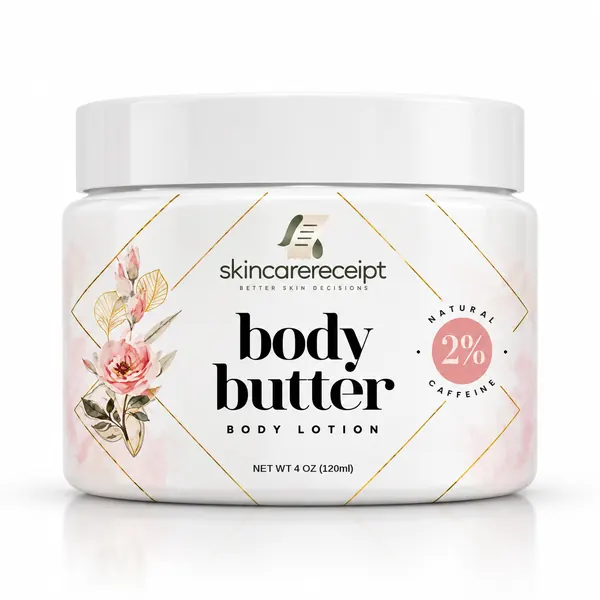
If smoother-looking skin on your thighs or stomach is the goal, a cream like our skincarereceipt Body Butter is a reasonable daily step. It works on the look of the surface, not on the fat underneath.

  • Fat: overall diet, activity and sleep. You can't spot-reduce fat with a cream or an exercise.
  • Cellulite: strength training for a firmer base, a caffeine body cream for the surface, and clinic treatments that release the bands for lasting change.

05 · The science

Fat under the skin is split into pockets by connective tissue. In women those walls tend to run vertically and are weaker, so fat bulges up between them and the skin dimples where they pull. More fat makes the bulging worse, but the pattern itself comes from the bands.

06 · What might help

  • Overall fat loss for health and, often, less visible cellulite.limited evidence
  • Strength training for a firmer-looking surface.limited evidence
  • Caffeine body cream for a smoother look.limited evidence

07 · Insufficient evidence

  • Creams or wraps that claim to burn or melt fat.
  • Spot-reducing fat with targeted exercise.

The Receipt

  1. 01Fat is tissue. Cellulite is the dimpled surface over it.
  2. 02Thin people get cellulite because the cause is structural.
  3. 03Treat fat with lifestyle, and treat the look of cellulite at the surface or the bands.

Education, not a diagnosis. If something changes quickly, hurts, bleeds, or worries you, see a dermatologist.

Questions people ask

Is cellulite just fat?
No. Fat is part of it, but the dimpling comes from bands of connective tissue pulling the skin down while fat pushes up between them.
Does losing weight get rid of cellulite?
It often helps, but not always. In one study most women's cellulite improved with weight loss and some got worse because their skin became looser.
Can you have cellulite without fat?
You need some fat under the skin for cellulite to show, but lean, fit women commonly have it. How the bands are built matters more than how much fat you carry.
Sources (6)
  1. Smalls LK, et al. Effect of weight loss on cellulite: gynoid lypodystrophy. Plast Reconstr Surg. 2006.
  2. Rudolph C, et al. Structural gender dimorphism and the biomechanics of the gluteal subcutaneous tissue: implications for the pathophysiology of cellulite. Plast Reconstr Surg. 2019.
  3. Querleux B, et al. Anatomy and physiology of subcutaneous adipose tissue by in vivo MRI and spectroscopy: relationships with sex and presence of cellulite. Skin Res Technol. 2002.
  4. Bass LS, Kaminer MS. Insights into the pathophysiology of cellulite: a review. Dermatol Surg. 2020.
  5. Cleveland Clinic. Cellulite: what it is, causes, location and treatment.
  6. Luebberding S, Krueger N, Sadick NS. Cellulite: an evidence-based review. Am J Clin Dermatol. 2015.

Your receipt, next

See what your skin is actually asking for.

Scan your skin for free and get a plain-English receipt with the evidence attached. No account needed.

Trend Receipts, by email

Occasional notes, no weekly blast. See our privacy page.